

How to Add a Second Handrail to Stairs for Seniors
About This Guide
This project involves adding a second handrail to existing stairs to improve safety and accessibility, particularly for seniors. The process includes planning the placement, selecting appropriate materials, and securely mounting the new handrail to the wall or stair structure.
Tools & Materials
Milwaukee High-Tension Hack Saw with 12 in. 24 TPI Bi-Metal Blade and Blade Storage 48-22-0050
Milwaukee High-Tension Hack Saw with 12 in. 24 TPI Bi-Metal Blade and Blade Storage 48-22-0050
Steps

Determine Handrail Height and Placement
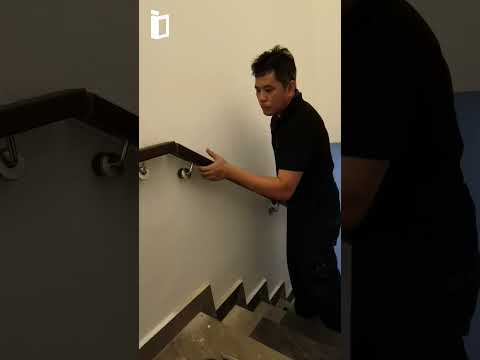
Measure 34 inches from the nosing of each stair tread. Mark this height on the wall at the top and bottom of the staircase, and at several points in between. Ensure the marks create a consistent, straight line. Verify local building codes for specific height requirements, as they can vary.
Select and Cut Handrail Material
Select a handrail material that complements the existing decor and is comfortable to grip. Common choices include hardwood (oak, maple), metal (brushed nickel, wrought iron), or PVC. Measure the total length of the staircase run where the handrail will be installed. Cut the chosen material to this exact length using an appropriate saw (e.g., miter saw for wood, hacksaw for metal). Ensure cuts are clean and square.

Install Handrail Brackets
Position the handrail brackets at the marked height, ensuring they are plumb and aligned with the pencil marks. Use a stud finder to locate wall studs behind the drywall. Mark the screw hole locations on the wall through the bracket. Drill pilot holes into the studs. Securely fasten the brackets to the studs using lag screws. If a bracket cannot be placed directly over a stud, use appropriate heavy-duty drywall anchors designed for significant weight-bearing.
Attach Handrail to Brackets
Place the cut handrail onto the installed brackets, aligning it with the desired position. Most brackets have pre-drilled holes or a channel to receive the handrail. Secure the handrail to each bracket using the screws provided with the brackets or appropriate wood/metal screws. Ensure the handrail is stable and does not wobble.
Test for Stability and Safety
Apply firm pressure to the handrail at various points, including the top, bottom, and middle. Push and pull on the handrail to check for any looseness or movement. Ensure all connections are tight and the handrail feels solid. Test it by having multiple people of varying weights apply pressure. If any looseness is detected, re-tighten all screws and re-evaluate bracket security.
Questions about your project or which product fits? Oak Valley Designs's team is happy to help. Mon–Fri 9–5 ET
Related Guides
See All
How to Update Rental Stairs with Removable Carpet Treads
How to Update a Spiral Staircase

How to Put Carpet Treads on Already-Carpeted Stairs

How to Fix Popping Noises from Adhesive Carpet Treads on Wood Stairs

Subscribe for exclusive updates
Be the first to know about promotions, new products, and sales.