

How to Fix Popping Noises from Adhesive Carpet Treads on Wood Stairs
About This Guide
Outline for addressing popping noises from adhesive carpet treads on wood stairs, involving identification of the cause, potential repairs to the treads themselves, and addressing the sub-surface wood stairs.
Tools & Materials
Steps
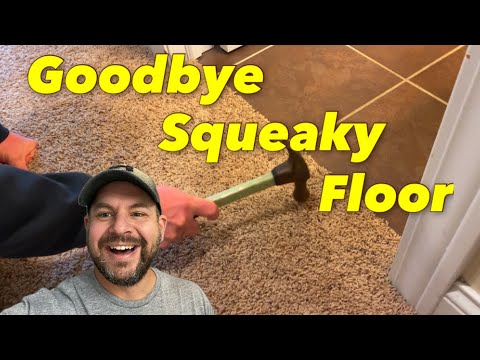
Inspect Carpet Tread Noise
Systematically go up and down the stairs, applying firm pressure to each carpet tread, especially at the nosing and center. Listen closely to pinpoint the exact areas on each tread where popping or creaking sounds originate. Note any specific patterns or triggers for the noise (e.g., only when stepping on a certain spot).
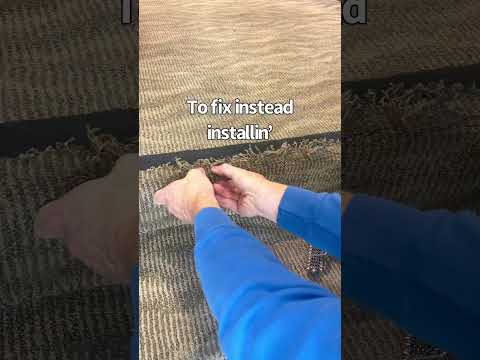
Examine Carpet Tread Adhesion
Using a putty knife or your fingers, gently lift the edge of the carpet tread, particularly at the nosing where it meets the edge of the stair. Inspect the underside of the carpet and the surface of the stair tread for signs of dried-out adhesive, insufficient glue, or complete separation. Look for any debris or residue that might be preventing proper adhesion.

Clean Carpet Tread Underside and Stair Surface
If the carpet is slightly loose, carefully pull it back further if possible. Remove any old, loose adhesive, dust, debris, or grime from both the underside of the carpet's backing and the wooden stair tread surface using a stiff brush and a clean cloth. For stubborn residue, a mild degreaser or adhesive remover might be necessary, followed by a thorough wipe-down with a damp cloth and allowing to dry completely.
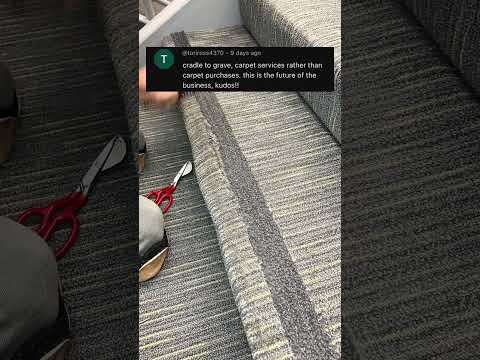
Apply New Adhesive
Apply a high-quality carpet tread adhesive or a strong construction adhesive according to the manufacturer's instructions. Ensure even coverage, paying particular attention to the edges and the nosing. Carefully press the carpet tread back into place, ensuring it is smooth and firmly adhered. Use a roller or firm pressure to set the adhesive.
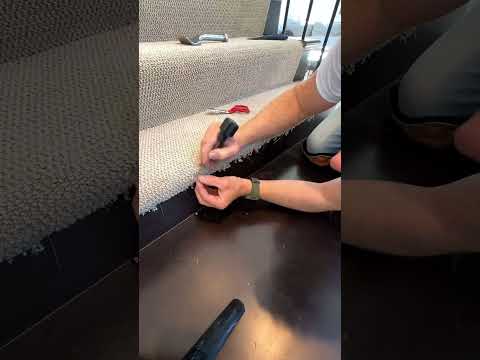
Reinforce Loose Carpet Edges (Optional)
For any carpet edges that still feel slightly insecure or are prone to lifting, you can use a heavy-duty staple gun or small carpet tacks. Place them discreetly along the very edge of the tread, underneath where the carpet overlaps the nosing, or along the vertical riser if applicable. Ensure they are driven in fully and do not protrude.
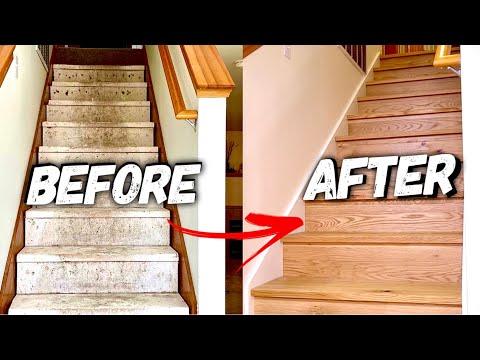
Address Sub-Surface Creaks
If the popping noise persists after addressing carpet adhesion, the issue may be with the wooden stairs themselves. Carefully inspect the wooden treads and risers for any visible cracks, loose boards, or signs of movement. Tap on the wood to listen for hollow sounds indicating looseness. You may need to access the underside of the stairs if possible (e.g., from a basement or attic) to drive screws or shims into the joists or stringers where the treads are attached.
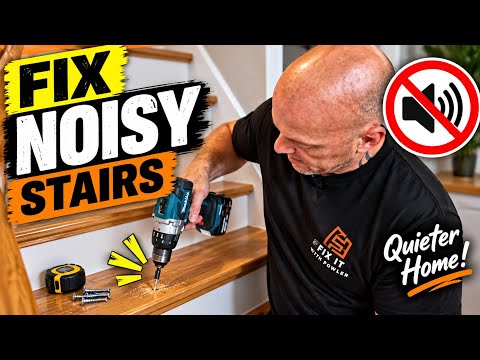
Test Repaired Treads
Once all adhesive has cured and any wooden stair repairs are complete, thoroughly walk on each repaired tread again. Listen carefully to confirm that the popping or creaking noises are gone. Test the specific spots where the noise was most prominent. If any noise persists, re-evaluate the previous steps or consider if there are other underlying issues.
Questions about your project or which product fits? Oak Valley Designs's team is happy to help. Mon–Fri 9–5 ET
Related Guides
See All
How to Update Rental Stairs with Removable Carpet Treads
How to Update a Spiral Staircase

How to Put Carpet Treads on Already-Carpeted Stairs

How to Protect Hardwood Stairs from Wear with Removable Treads

Subscribe for exclusive updates
Be the first to know about promotions, new products, and sales.