

How to Calculate How Many Stairs You Need
About This Guide
This project outlines the process for calculating the number of stairs needed for a given rise, ensuring safety and code compliance.
Tools & Materials
Calculated Industries Construction Master Pro Desktop with Full Trigonometric Function 44080
Calculated Industries Construction Master Pro Desktop with Full Trigonometric Function 44080
Steps

Measure the Total Rise
Using a tape measure, determine the total vertical distance that the stairs need to cover. This is the 'total rise'. Ensure the measurement is taken from the finished surface of the lower floor to the finished surface of the upper floor. For accuracy, use a level if needed to ensure a true vertical measurement.

Determine the Ideal Riser Height
The ideal riser height is typically between 7 and 7.75 inches. Divide the total rise by a target number of risers to find the exact riser height. For example, if the total rise is 100 inches, aiming for a riser height of around 7 inches would mean 100 / 7 = ~14.28 risers. You'll need to round this to a whole number.
Calculate the Number of Risers
Divide the total rise (from Step 1) by your chosen ideal riser height (from Step 2). Round the result to the nearest whole number. This will be your number of risers. For instance, if your total rise is 100 inches and you aim for a 7-inch riser height, 100 / 7 = 14.28, which rounds to 14 risers.

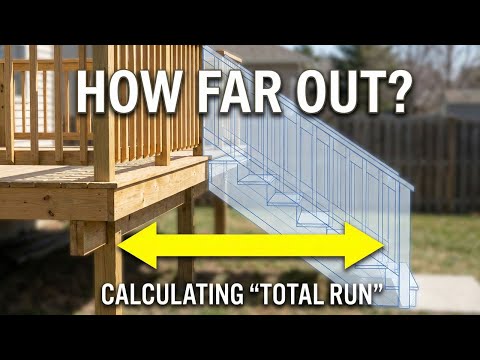
Determine the Total Run
Multiply the number of treads (from Step 5) by the desired tread depth. A common tread depth is 10 to 11 inches, but this can vary. Ensure the tread depth is consistent and meets local code requirements. For example, if you have 13 treads and a desired tread depth of 10 inches, the total run is 13 * 10 = 130 inches.
Questions about your project or which product fits? Oak Valley Designs's team is happy to help. Mon–Fri 9–5 ET
Related Guides
See All
How to Update Rental Stairs with Removable Carpet Treads
How to Update a Spiral Staircase

How to Put Carpet Treads on Already-Carpeted Stairs

How to Fix Popping Noises from Adhesive Carpet Treads on Wood Stairs

Subscribe for exclusive updates
Be the first to know about promotions, new products, and sales.