

How to Measure Outdoor Stairs for Treads
About This Guide
This project outlines the process for accurately measuring outdoor stairs to determine the correct dimensions for new treads. This involves understanding the existing stair structure, taking precise measurements of each step, and accounting for any irregularities.
Tools & Materials
Louisville Ladder 6 ft. Fiberglass Step Ladder with 375 lbs. Load Capacity Type IAA Duty Rating
Louisville Ladder 6 ft. Fiberglass Step Ladder with 375 lbs. Load Capacity Type IAA Duty Rating
Steps
Inspect Existing Stair Structure
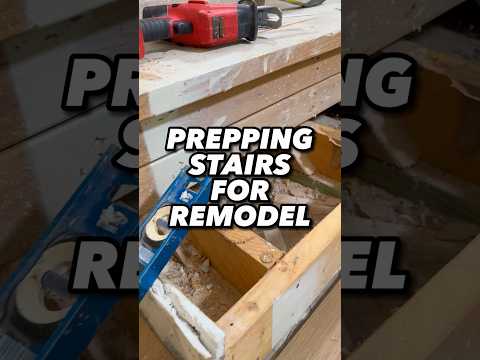
Begin by carefully inspecting the existing outdoor stairs. Look for any signs of rot, structural damage, loose railings, or uneven surfaces on the current treads. Note the material of the existing treads (e.g., wood, concrete, composite) and how they are attached. This initial assessment will inform the measurement process and highlight any potential issues that need to be addressed before installing new treads.
Measure Tread Depth
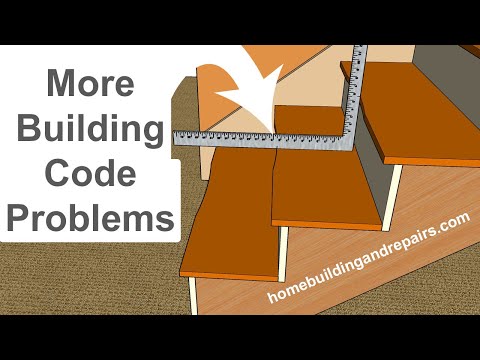
For each step, use a tape measure to determine the tread depth. Place the tape measure at the very front edge of the tread and extend it horizontally to where the tread meets the riser. Record this measurement for every step. It's common for tread depths to vary slightly, so note each individual measurement.
Measure Tread Width
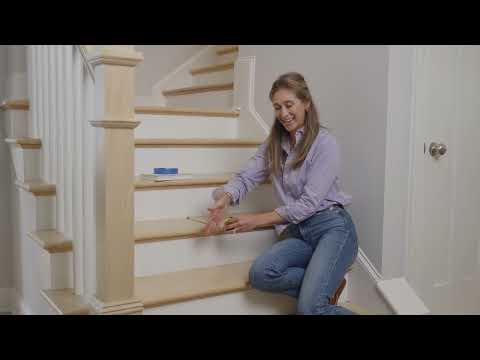
Using your tape measure, determine the width of each tread. Measure from the outermost visible edge on one side to the outermost visible edge on the other side. Note any variations in width, which might occur if the stairs are not perfectly symmetrical. This measurement is critical for cutting the new treads to fit.

Measure Riser Height
Measure the vertical distance from the top surface of one tread to the top surface of the tread immediately below it. This measurement is the riser height. Record the riser height for each individual step. Consistency in riser height is important for the usability and safety of the stairs.
Check for Stair Squareness and Level
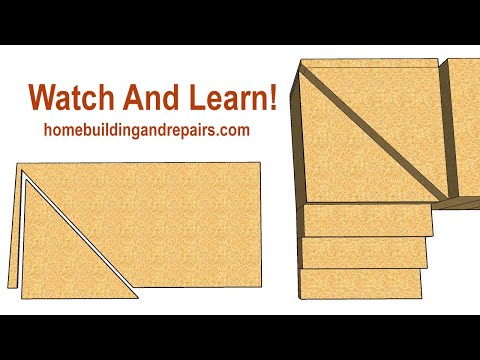
Use a carpenter's square to check if the corners of each tread are at a 90-degree angle. Use a level to confirm that the tread surface is flat and level from front to back and side to side. Note any discrepancies or deviations from square and level. These imperfections will need to be accounted for when cutting and fitting new treads, potentially requiring shims or adjustments.
Document All Measurements and Irregularities
Review all the measurements taken for depth, width, and riser height for each step. Consolidate these notes along with any specific observations about out-of-square corners, unlevel surfaces, or structural issues. A diagram of the stairs with all dimensions clearly labeled can be very helpful. This comprehensive record ensures that you have all the necessary information to accurately order or cut replacement treads that will fit perfectly.
Questions about your project or which product fits? Oak Valley Designs's team is happy to help. Mon–Fri 9–5 ET
Related Guides
See All
How to Update Rental Stairs with Removable Carpet Treads
How to Update a Spiral Staircase

How to Put Carpet Treads on Already-Carpeted Stairs

How to Fix Popping Noises from Adhesive Carpet Treads on Wood Stairs

Subscribe for exclusive updates
Be the first to know about promotions, new products, and sales.