
Measure Bullnose Edge Width
From how to measure an L-shaped staircase for carpet stair treads · Step 1 of 3 · Video by Oak Valley Designs
Showing 0:07–0:30 of the source video.
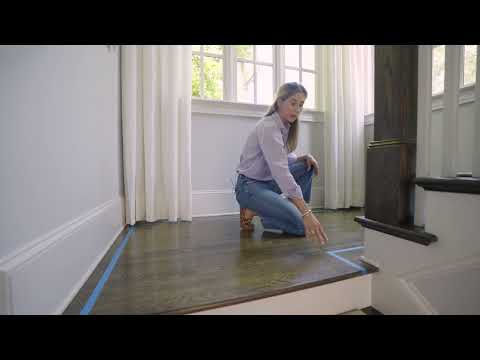
What happens in this clip
The most critical first step is to accurately measure the width of the bullnose edge of the stair landing. This measurement should correspond precisely to the width of the carpet stair tread installed on the step immediately below the landing. For example, if the stair tread is 35 inches wide, the landing carpet's edge should also be 35 inches wide to maintain visual continuity. Measure from the far left side to the far right side of the bullnose edge.
Goal: Begin by measuring the width of the bullnose edge of the landing, ensuring it matches the width of the carpet stair tread directly below it for a consistent look.
What's used
Tools
- Tape Measure
About the full video
This video details the specialized method of accurately measuring a stair landing for carpet installation. It involves using painter's tape to define the carpet's perimeter, ensuring precise cuts and a neat finish that aligns with existing stair treads and accounts for architectural features like posts.
What's said in this clip
Let's measure our landing. We have our carpet stair treads installed. We have our painters tape. And we're going to get some measurements for our matching landing. Step one, the most important piece. Make sure that the width of your bullnose edge matches the width of your carpet stair tread that's just below. So, in this case, it's 35 in. You got to go from the left side to the right side. After you do that, you're going to take
Automatically transcribed from the source video.
Step 1 of 3: Uncover Your Staircase's Unique Turn: Landing or Winder Steps?
Take a moment to closely look at the 90-degree turn that elegantly connects the two straight sections of your L-shaped staircase. Is it a generous, flat platform – what we call a landing – perfect for a moment's pause? Or does it feature a series of beautifully angled, wedge-shaped steps, known as winder steps, that guide you smoothly around the corner? This initial identification is absolutely key because it completely transforms how you'll approach measuring that corner. For a landing, you'll treat it as a single, separate rectangular piece, ready for a custom tread. For winder steps, each unique, tapered step will require its own individual measurement, ensuring a truly custom, safe, and stylish fit. This attention to detail is part of The Oak Valley Difference, ensuring your DIY stair remodel is a success.
Other videos for this step
how to measure an L-shaped staircase for carpet stair treads
An L-shaped staircase, often called a quarter-turn, brings unique architectural charm to your home. But when it comes to adding the safety and style of carpet stair treads, its 90-degree turn can seem a little tricky to measure. Don't worry, we're here to empower your DIY journey! The secret to a perfect, custom fit for your Oak Valley Designs treads is to see your L-shaped staircase as three distinct areas: the first straight flight, the turning section, and the second straight flight. The way you approach the turn—whether it's a spacious landing or elegant winder steps—will guide your measuring strategy. For straight sections, you'll precisely measure each tread's width and depth. For a landing, it's one simple, larger measurement. For winder steps, each unique, tapered step gets its own careful attention. And here’s a pro tip for peace of mind: always measure from the *tread edge to tread edge*, never wall to wall. This ensures your custom treads fit beautifully, even if your walls aren't perfectly square, delivering the safety and elegance your family deserves.
Read the full guide Browse all guides
Planning this project? Shop Oak Valley Designs.
Subscribe for exclusive updates
Be the first to know about promotions, new products, and sales.