
Sand and Prime the Staircase
From Stair Riser Painting · Step 2 of 6 · Video by Refresh Home Improvements
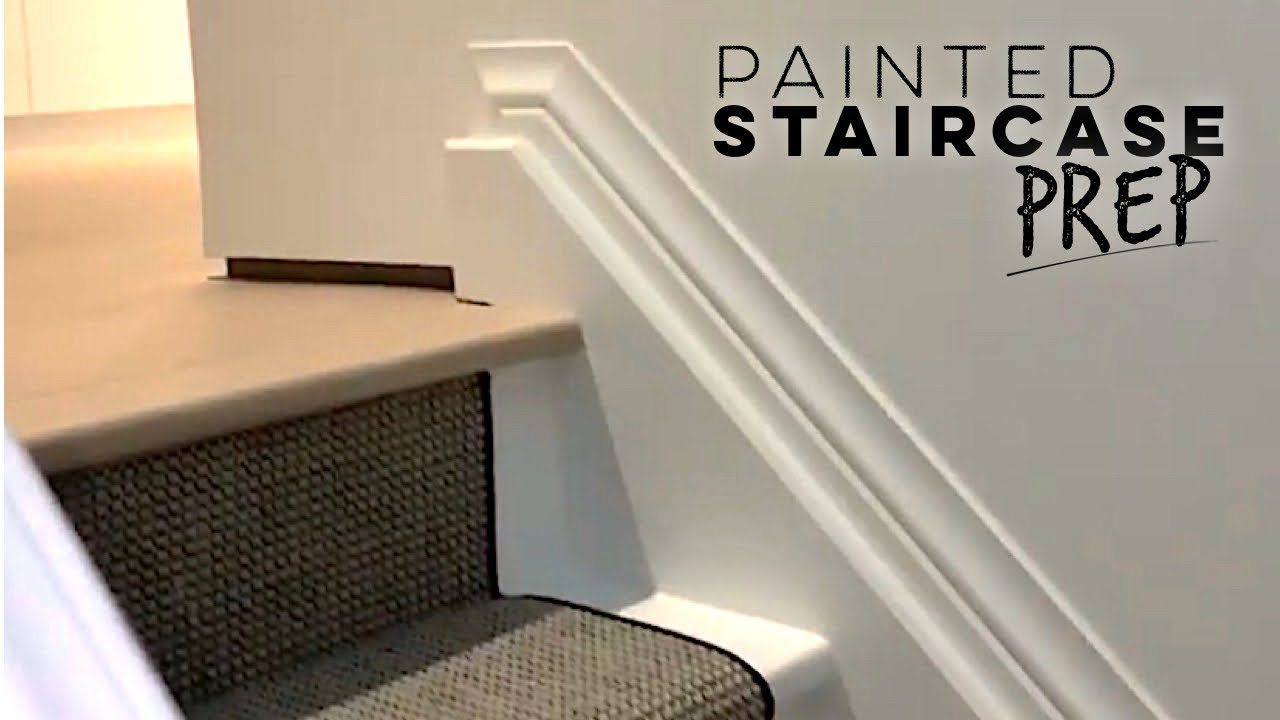
Showing 0:07–1:27 of the source video. Watch the full video with every moment.
What happens in this clip
Once all fillers and caulk have dried completely, lightly sand all treated surfaces and other parts of the staircase to ensure a perfectly smooth and even finish. Pay close attention to areas where filler or caulk was applied, ensuring they blend seamlessly with the existing surface. Use a sanding sponge for curved or intricate areas and a sanding block for flat surfaces. After sanding, thoroughly clean the staircase to remove all dust and debris, creating an optimal surface for primer application. Finally, apply a coat of INSL-X STIX bonding primer to all surfaces of the staircase. This primer is designed to adhere well to various surfaces, providing an excellent base for the final paint coats.
What's used
Tools
- INSL-X STIX Primer
- Paint Brush
- Paint Roller
- Sanding Block
- Sanding Sponge
- Tack Cloth/Damp Rag
- Vacuum Cleaner
About the full video
This video details the process of preparing a staircase for painting, focusing on filling cracks, bumps, and imperfections, as well as sealing gaps. It showcases the application of various fillers and caulking products, followed by sanding and priming, ultimately leading to a smooth, paint-ready surface. The video then concludes by showing the final painted and carpeted staircase.
Step 2 of 6: Sand the Stair Risers
Using fine-grit sandpaper (120-150 grit), lightly sand each stair riser. Focus on smoothing out any rough spots or imperfections. After sanding, wipe away all dust with a tack cloth or a slightly damp cloth. This prepares the surface for the primer.
Every video in Stair Riser Painting
Step 1: Clean the Stair Risers
- 0:00–0:04 Prepare Stair Risers
- 0:48–0:56 Clean Staircase Surface
- 0:36–0:41 Clean and Smooth Stairs
Step 2: Sand the Stair Risers
- 0:13–0:17 Sand Stair Risers
- 0:13–0:23 Sand and Clean Risers
- 0:07–1:27 Sand and Prime the Staircase (this video)
Step 3: Apply Primer
- 0:34–0:48 Prime the Risers
- 4:05–5:04 Apply First Primer Coat (Rolling)
- 3:11–4:18 Apply Oil-Based Primer
Step 4: Sand Between Coats (Optional)
- 0:48–0:56 Lightly Sand and Clean Primed Surface
- 6:08–6:28 Sand and Clean (Post-Primer)
- 0:49–0:56 Lightly Sand Primed Surface and Remove Dust
Step 5: Paint the Stair Risers
- 4:21–4:41 Prepare for First Paint Coat
- 6:08–7:29 Apply Topcoat Paint
- 3:14–3:25 Apply Second Coat of Paint
Step 6: Apply Protective Topcoat (Optional)
- 2:00–2:05 Apply Protective Finish
- 12:25–12:43 Finalize with Protective Topcoat
- 0:43–0:46 Protect with Polyurethane
Questions about Stair Riser Painting
What are the essential tools and materials I'll need for this project?
You'll need a stain-blocking primer, white semi-gloss paint, and an optional clear topcoat for added durability. Essential tools include a mini foam roller, paint tray, fine-grit sandpaper (220 grit), tack cloths, and cleaning supplies like a scrub brush and mild detergent for preparation.
How long will it take to paint my stair risers, and can I still use my stairs during the process?
This project is estimated to take about 3 days, primarily due to necessary drying times between coats of primer, paint, and topcoat. To maintain stair access, consider painting alternating risers, but be aware this may extend the project duration and requires careful planning to avoid stepping on wet surfaces.
What are common mistakes beginners make when painting stair risers, and how can I avoid them?
A frequent mistake is skipping thorough preparation; always clean, sand, and prime the risers properly for optimal paint adhesion and a smooth finish. Another common error is applying paint too thickly, which can cause drips and uneven drying; aim for multiple thin, even coats instead.
Do I really need to sand and prime the risers before painting, even if they look clean?
Yes, sanding and priming are critical for a lasting, professional finish. Sanding creates a scuffed surface for primer to bond to, while primer blocks existing stains and ensures the final paint color is even and vibrant. These steps significantly improve durability in high-traffic areas.
Are there any specific safety precautions I should take when painting stair risers?
Ensure proper ventilation by opening windows and using fans to minimize inhaling paint fumes. Be very cautious of wet paint, as it makes stairs slippery; plan to paint in sections or every other riser to maintain a safe path, and promptly clean any spills to prevent falls.
What type of paint finish is recommended for stair risers, and why?
A semi-gloss finish, such as the recommended BEHR PRO i300, is ideal for stair risers. Its inherent durability and resistance to scuffs make it suitable for high-traffic areas. Additionally, semi-gloss is easier to clean and maintain compared to flatter paint finishes.
Stair Riser Painting
A high-level outline for painting stair risers white, covering preparation, priming, painting, and finishing.
Read the full guide Browse all guides
Planning this project? Shop Oak Valley Designs.

Subscribe for exclusive updates
Be the first to know about promotions, new products, and sales.