

How to Keep Outdoor Stairs Safe in Ice and Snow
About This Guide
Develop a comprehensive plan to ensure outdoor stairs remain safe and accessible during icy and snowy conditions.
Tools & Materials
Steps
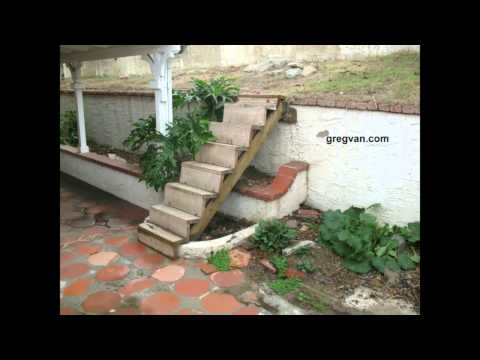
Inspect Existing Stairs
Before applying any safety measures, conduct a detailed inspection of your outdoor stairs. Check for structural integrity, ensuring no boards are rotten or loose. Examine railings to confirm they are securely attached and sturdy enough to provide support. Look for any areas on the treads that are significantly worn or damaged, as these can become hazardous when slippery. Also, check for proper drainage to prevent water from pooling and freezing on the steps.
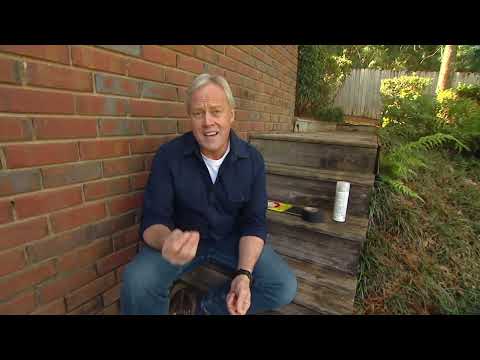
Clean Stair Surfaces
Clean the entire surface of your outdoor stairs meticulously. This involves sweeping away loose debris such as leaves, dirt, and sand. For more stubborn grime or algae, use a stiff-bristled brush and a suitable cleaning solution (like a mild detergent or a deck cleaner). Rinse thoroughly with water and allow the stairs to dry completely before proceeding to the next steps. If there are old paint or sealant layers that are peeling or worn, they may need to be scraped or sanded off.

Apply Anti-Slip Treads
Select either pre-fabricated anti-slip stair treads made of rubber, aluminum, or composite materials, or opt for an anti-slip coating system. If using pre-made treads, follow the manufacturer's instructions for cutting to size (if necessary) and adhering them to each step using a strong, weather-resistant adhesive. Ensure they are positioned evenly and securely. If using a coating, prepare the surface as directed by the product manufacturer, which may involve priming. Apply the coating evenly across the stair surface, often incorporating grit or aggregate for texture. Allow adequate drying time as specified by the product.

Install or Reinforce Railings
Check that all railing posts are firmly anchored into the ground or the stair structure. Tighten any loose bolts or screws. If railings feel wobbly, reinforce them by adding extra bracing or securing them more deeply. Ensure the railing height meets local building codes for safety (typically between 34 and 38 inches above the stair nosing). If existing railings are insufficient or damaged, consider replacing them or installing additional support. The graspable surface of the railing should be continuous along the length of the stairs.
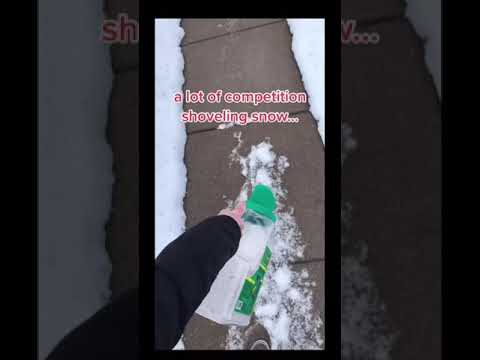
Implement Snow and Ice Melting Solutions
To proactively manage snow and ice, consider installing heated stair mats designed for outdoor use. These mats plug in and generate heat to melt snow and ice on contact. Follow the manufacturer's instructions for placement and electrical connections, ensuring safe outdoor electrical practices. Alternatively, ensure you have a sufficient supply of safe, effective de-icing agents on hand. This could include rock salt (sodium chloride), calcium chloride, magnesium chloride, or eco-friendly alternatives. Store them in an accessible location, ready for application when snow or ice begins to form.
Questions about your project or which product fits? Oak Valley Designs's team is happy to help. Mon–Fri 9–5 ET
Related Guides
See All
How to Update Rental Stairs with Removable Carpet Treads
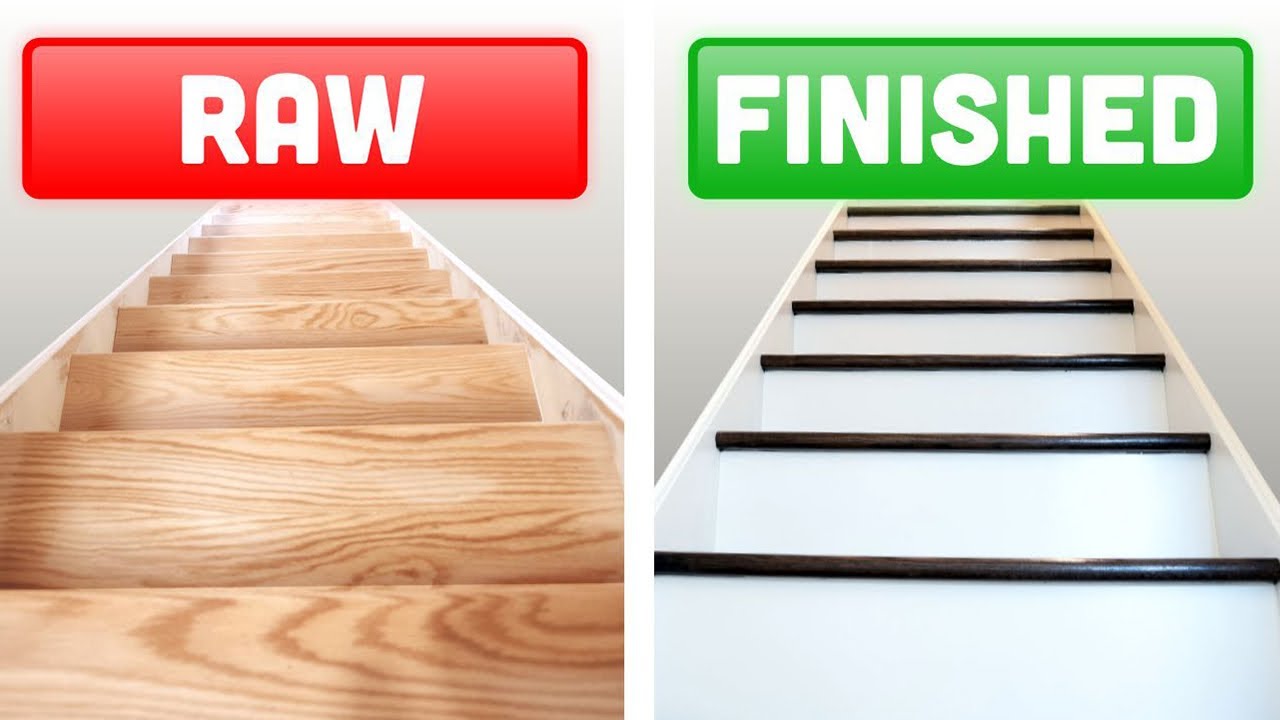
How to Update a Spiral Staircase

How to Put Carpet Treads on Already-Carpeted Stairs

How to Fix Popping Noises from Adhesive Carpet Treads on Wood Stairs

Subscribe for exclusive updates
Be the first to know about promotions, new products, and sales.