Final Wire Management and Testing
From Staircase Lighting · Step 7 of 7 · Video by Chris Maher
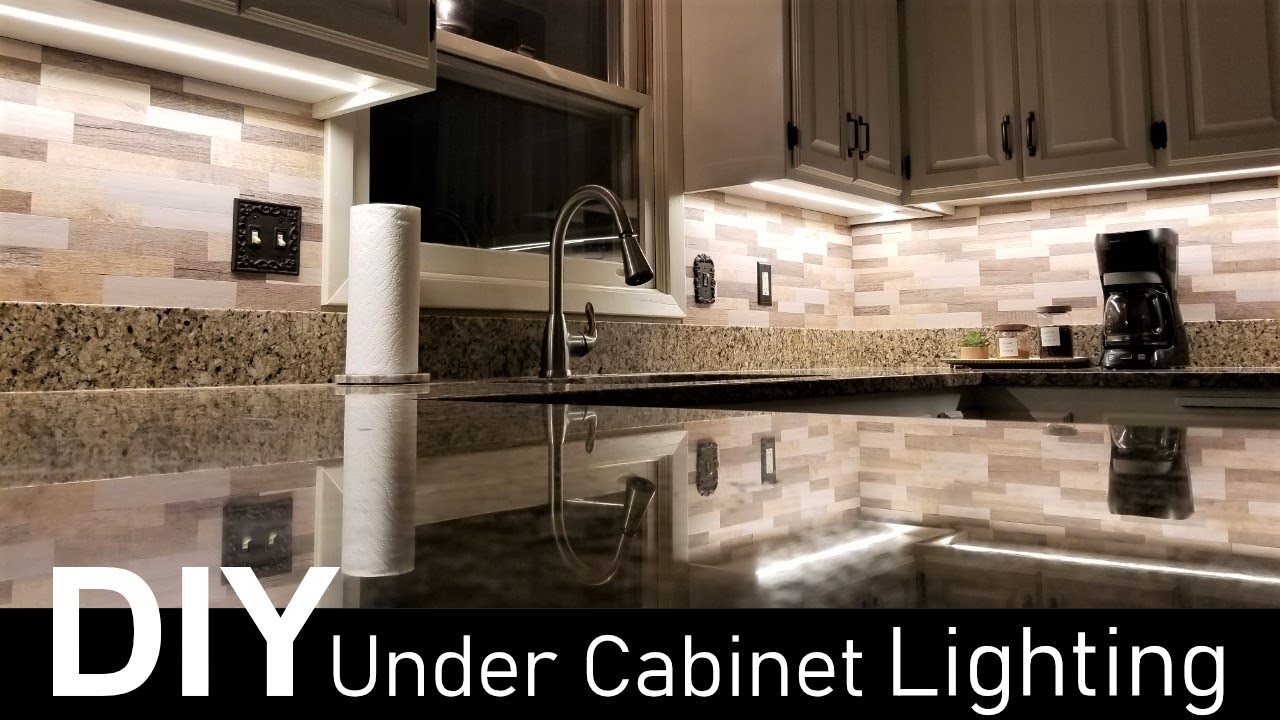
Showing 10:29–12:12 of the source video.
What happens in this clip
For any remaining visible wires inside the cabinets, such as those routed between shelves or along cabinet walls, use basic track cable concealers to create a tidy and unobtrusive appearance. This helps maintain a clean look, especially for wires that need to run from the upper cabinets down to the lower sections. Ensure the wires are securely fastened within the concealers and that the concealers are discreetly placed.
Goal: Conceal all remaining wires and test the lighting system
What's used
Materials
- Basic Track Cable Concealers Unspecified
- Wire molding
About the full video
This project guides you through installing sleek and bright under-cabinet LED strip lighting in a kitchen. It covers selecting low-profile aluminum channels and high CRI COB LED strips, precise measurement and cutting, connecting LED strips using either plug-and-play connectors or soldering, and discreetly routing power and control wires for a clean, professional finish. The project includes options for dimming and various control methods.
Step 7 of 7: Conceal Wiring
Once you have confirmed the system is working correctly, neatly route and secure all wires. Use cable clips, raceways, or conduits to hide the wiring along the walls, under the stairs, or behind baseboards. The goal is to create a clean, professional look and prevent tripping hazards.
Other videos for this step
Staircase Lighting
This project involves installing motion-activated LED strip lights on a staircase to provide automatic illumination and enhance safety and ambiance. The process includes planning the layout, selecting appropriate materials, wiring the lights and sensors, and mounting the components.
Read the full guide Browse all guides
Planning this project? Shop Oak Valley Designs.