
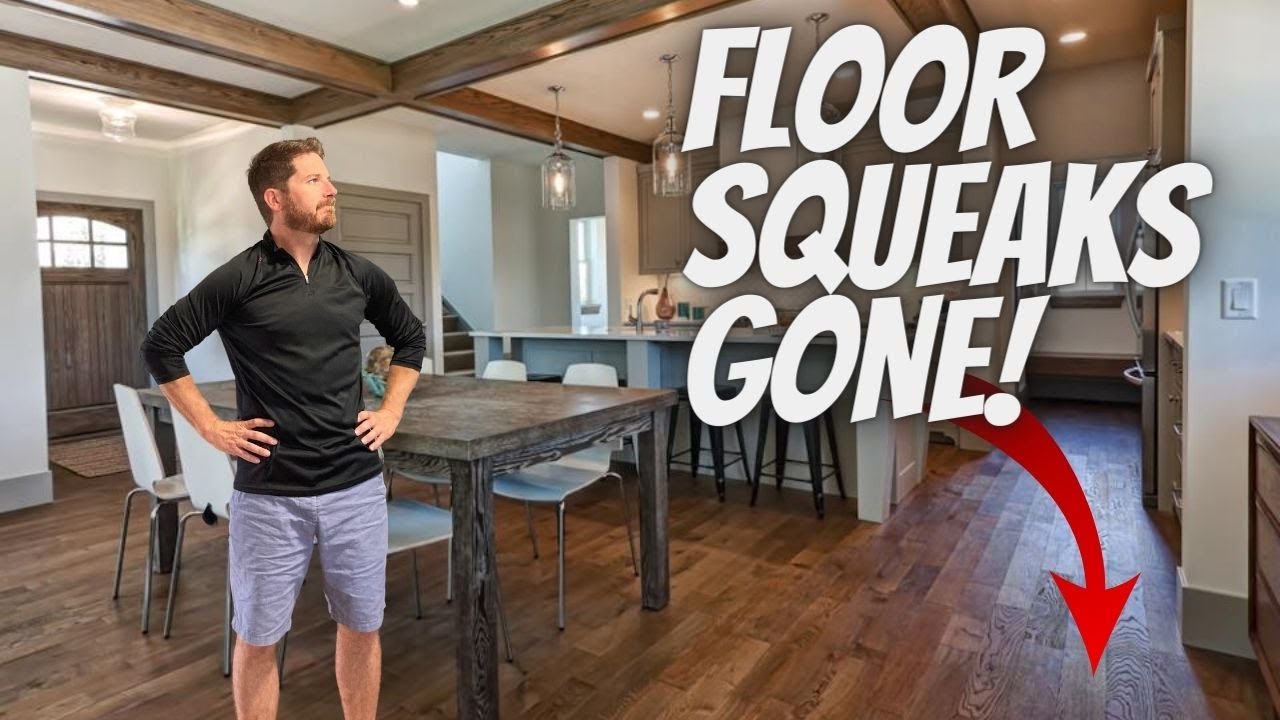
Squeaky Stair Repair
About This Guide
This project addresses the common issue of squeaky stairs by identifying the source of the noise and applying targeted fixes to eliminate it. The process involves a systematic approach to diagnose the cause, which can range from loose treads or risers to friction between wood components, and then implementing appropriate solutions such as tightening fasteners, shimming gaps, or applying lubricants.
Assembled from 13 on-camera clips by 10 independent creators demonstrating these exact steps.
Tools & Materials
Klein Tools 3/16 in. Slotted Screw-Holding Flat Head Screwdriver with 8 in. Round Shank
Klein Tools 3/16 in. Slotted Screw-Holding Flat Head Screwdriver with 8 in. Round Shank
Steps

Frequently Asked Questions
What are the most common reasons stairs squeak, and how does this project address them?
Stairs typically squeak due to loose treads or risers rubbing against the stair frame, or when fasteners become loose, creating friction and movement. This project directly tackles these issues by tightening connections, shimming gaps to eliminate movement, and applying lubricants to reduce friction at contact points.
What specialized tools or materials will I need beyond standard DIY equipment for this project?
While basic screwdrivers and pliers are essential, you'll also need a nail set to recess nails, a framing hammer for precise adjustments, and a utility knife for trimming shims. Specific materials include wood shims, scrap wood blocks for support, angle brackets for reinforcement, and #10 3-inch wood screws.
How difficult is this project for a beginner, and what's the estimated time commitment?
This project is considered beginner-friendly as it primarily involves diagnosis and simple mechanical fixes. The estimated 4-hour timeframe is generally achievable, but locating the precise source of the squeak can sometimes be the most time-consuming part of the process.
What should I do if I can't access the underside of my stairs to secure components?
If the underside is inaccessible, focus on top-side solutions. You can drive screws through the top of treads into risers or stringers, or use shims and adhesive between loose components from above. Specialized anti-squeak kits, which often involve small screws or plugs inserted from the top, are also available.
Are there any common mistakes to avoid, or safety tips to keep in mind while repairing squeaky stairs?
A common mistake is failing to accurately pinpoint the squeak's source before attempting a fix, which can lead to ineffective repairs. For safety, ensure the staircase is well-lit and clear of obstructions, mark any steps temporarily out of use, and keep tools securely placed to prevent tripping hazards.
Can I use any type of lubricant or powder, or are there specific recommendations for eliminating stair squeaks?
For lubrication, talcum powder or powdered graphite are highly effective for reducing friction between wood components without creating a greasy mess. Avoid using oily lubricants, as these can attract dust and grime, potentially worsening the squeak over time or staining the wood.
Questions about your project or which product fits? Oak Valley Designs's team is happy to help. Mon–Fri 9–5 ET



Subscribe for exclusive updates
Be the first to know about promotions, new products, and sales.